



On this page
You've been asked to find a present for someone who already owns the obvious options. You know their interests, but not their diary, preferred venue, clothing size, or whether they'd rather unwrap something physical. A beautifully packaged gift can still become clutter, while a vague voucher can sit unused because booking it is harder than expected.
That's why gift experiences in the UK deserve a more practical buying test. The experience itself matters, but so do delivery, validity, venue choice, availability, and the recipient's ability to redeem it without a long exchange of emails. This guide focuses on those details, with clear recommendations for choosing an experience that gets used rather than forgotten.
Why Experience Gifts Are Winning in 2026
The familiar gifting problem is easy to recognise. You search for something personal, reject products they probably already own, then settle for an item that looks impressive but may never leave the cupboard. An experience avoids much of that guesswork because it gives the recipient something to anticipate, do, and remember.
The strongest experience gifts fit the person rather than forcing the person to fit the gift. A keen golfer may value a lesson more than another accessory. A couple may prefer an activity they can share. A parent with a busy schedule may appreciate a flexible voucher more than a fixed booking they can't attend.

The gift now includes the memory
The appeal isn't only novelty. Experience-led gifting reflects a wider UK move towards days out, meals, activities, and memorable occasions instead of purely physical presents. OC&C data cited by Moonpig Group places the UK gift-experiences market at £6.5 billion, within a £58 billion total addressable gifting market covering the UK, Ireland, and the Netherlands. The same source says experiences are growing faster than the overall gifting market, which supports the view that this is a structural shift rather than a short-lived seasonal fashion. Moonpig Group's market overview provides that benchmark.
That makes an experience a sensible choice for people who are difficult to buy for, but only if the practical details work. A memorable activity is not a good gift if the recipient must travel unreasonably far, book within a narrow window, or discover that suitable dates are unavailable.
Practical rule: judge the voucher by the redemption journey, not by the excitement of the product page.
Convenience helps the buyer, too
Digital delivery has changed the timing of gifting. A buyer can select an activity, add a personal message, and send the voucher without waiting for a parcel. That's useful for birthdays, thank-you gifts, and occasions where the decision happens late.
But convenience shouldn't make the gift feel careless. A digital voucher needs a thoughtful presentation, perhaps a handwritten card explaining why you chose it, a printed itinerary of possible plans, or a small item connected to the activity. The recipient gets flexibility, while the buyer still creates a sense of occasion.
The best options combine instant access with recipient-led choice. That balance is the reason experience gifts are winning. They remove the risk of buying the wrong object without replacing it with the risk of buying an unusable promise.
The State of the UK Experience Market
A gift experience can look impressive online and still fail at checkout or redemption. The UK market is expanding, but buyers should judge each voucher by how easily the recipient can turn it into a real booking.
Barclays reported that Brits were expected to spend £178 billion on memorable experiences between June and September 2024, with an average of £3,322 per person. Its breakdown included £906.20 for holidays abroad and £615.01 for UK holidays, placing domestic leisure within a wider experience economy. The reported Barclays experience-spending figures gives useful context for smaller UK activities, from lessons to local days out.
Digital delivery changes the buyer's decision
Digital vouchers are now a normal gifting format, not merely a late replacement for a parcel. Independent UK coverage reports that digital gift cards reached 52% of the market in the first half of 2024. It also reports that 33% of UK adults chose gift cards during the festive period, while 30% had sent at least some digital presents. Among shoppers aged 34 or under, that figure rose to 41%. The UK digital gifting coverage links that preference to convenience, flexibility, and instant delivery.
Digital delivery suits last-minute buyers and removes postage delays. It also shifts responsibility to the recipient, who must find the email, understand the terms, check availability, and complete the booking. A physical presentation can make the gift feel more deliberate, but it does not solve restrictive dates or distant venues.
The platform market is concentrated. One independent estimate places UK experience-gifting platforms at approximately £480 million in annual GVS, with major platform groups holding substantial shares. That concentration matters to voucher buyers because broad catalogues can offer variety, while specialists may explain one activity more clearly. Compare venue coverage, expiry rules, date flexibility, and the process for changing an unwanted choice before paying. The independent UK market estimate provides a directional view, not an official industry total.
Redemption friction is the practical dividing line. A voucher that arrives instantly but requires a phone call, limited venue choice, or narrow booking window can create more work than a physical gift. Check those conditions first.
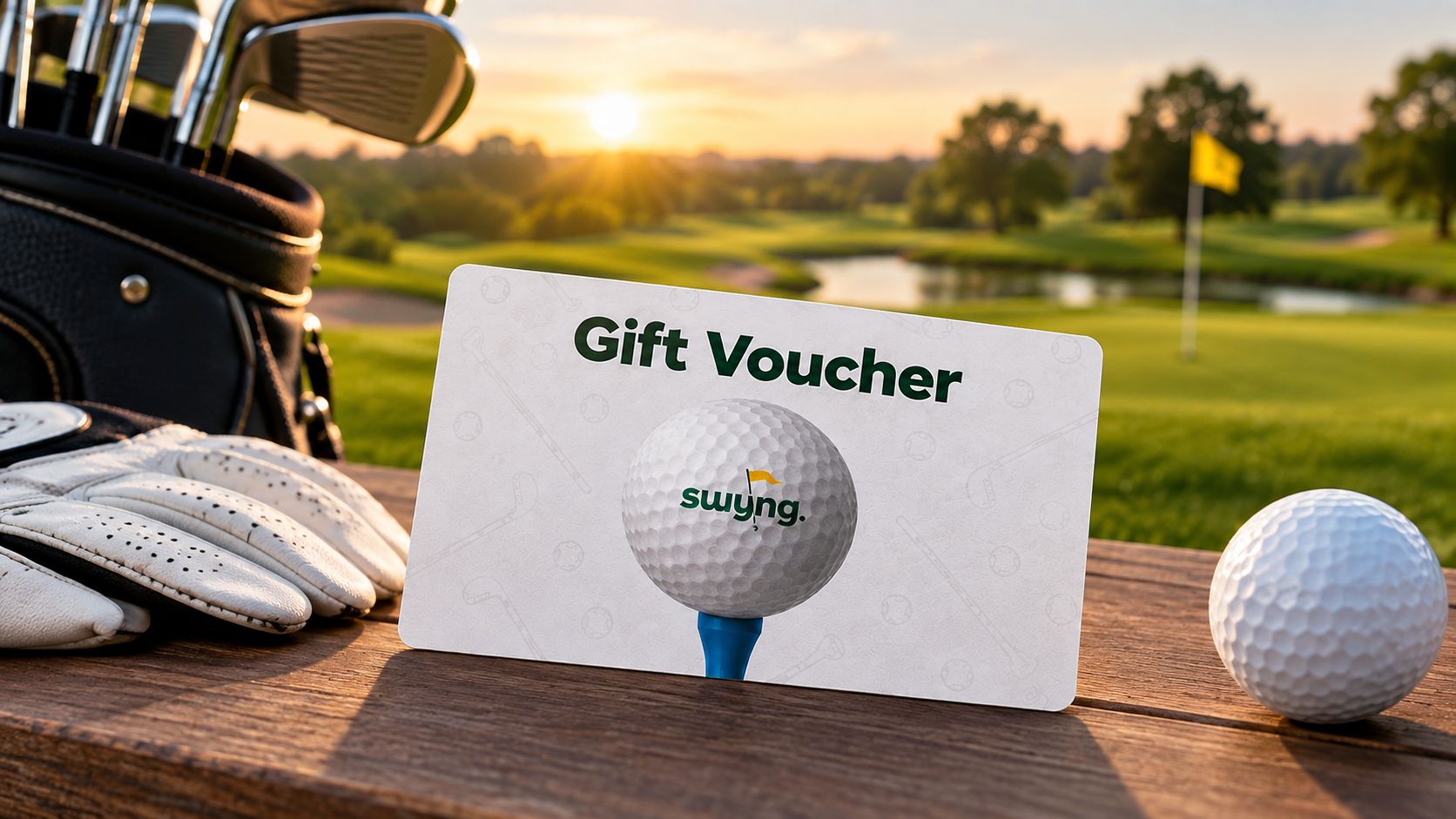
For golf buyers, a Golf Gift Voucher is listed for any amount from £50 to £1,000, delivered by email and usable towards lessons, rounds, or any golf experience on Swyng. The recipient makes the final choice after receiving the gift, which reduces the risk of selecting the wrong course or format. Check the booking conditions before purchase, then decide whether instant email delivery or a printed presentation better suits the occasion.
Comparing Top Experience Categories
Different experience categories solve different gifting problems. The right decision depends less on what looks impressive online and more on the recipient's confidence, interests, mobility, timetable, and willingness to participate.

Adventure suits the recipient who wants a story
Adventure gifts work when the recipient enjoys controlled risk, visible achievement, and a strong sense of occasion. Driving days, outdoor challenges, and high-energy activities give the buyer an easy emotional promise: this won't feel like an ordinary afternoon.
The weakness is suitability. Some activities have age, health, height, weight, driving-licence, or weather requirements. Others may take place at a limited number of venues. Before buying, check the restrictions and location rather than assuming the recipient will be able to participate.
Adventure also demands more commitment from the recipient. Someone who enjoys watching sport may not want to jump, drive, climb, or race. Ask yourself whether the recipient has expressed interest in doing the activity, not merely whether it looks exciting in an advert.
Dining works for people who value conversation
Dining experiences are dependable choices for couples, parents, clients, and friends who enjoy food but don't necessarily want a physically demanding activity. They can create a complete occasion, especially when the recipient can choose a date and bring someone else.
The main friction is usually fixed scheduling. A restaurant experience may be tied to a particular venue, menu, service period, or booking process. If the recipient lives elsewhere or has an unpredictable diary, flexibility matters more than the menu description.
For a sentimental gift, dining has one major advantage. The buyer can turn it into a shared plan, adding a note that says when they'd like to go together. That makes a voucher feel personal without taking away the recipient's control.
Wellness is restorative, but needs careful matching
Spa treatments, massage sessions, and wellness days appeal to people who prefer relaxation over adrenaline. They suit recipients who have talked about needing time off, although buyers should avoid framing the gift as a comment on stress, appearance, or workload.
Wellness vouchers can become awkward when the recipient has specific treatment preferences or accessibility needs. Check whether they can select the treatment, whether the venue is convenient, and whether the booking window works around weekends and holidays.
A flexible wellness voucher is usually safer than a fixed treatment. If the offer allows the recipient to choose among suitable options, the buyer avoids guessing what kind of appointment they'll enjoy.
Golf bridges activity and leisure
Golf is unusually versatile as a gift category. A beginner can take a lesson, an improving player can work on technique, and a regular golfer can choose a round or a more distinctive pro-led day. The recipient participates, but the pace can still allow conversation and relaxation.
The audience is substantial. PGA-commissioned research found that 40% of adults in the UK and Ireland engage with golf in some capacity, equal to 22.4 million people, including 4.9 million on-course golfers. The PGA-commissioned golf research shows why golf has a broad addressable audience beyond committed club members.
A separate British golf participation figure recorded 5.6 million adult golfers playing nine or 18 holes in 2022, described as the second-highest figure in over 30 years. That reinforces the difference between a narrow golfing present and a flexible golf experience that can suit beginners, improvers, and established players.
| Recipient profile | Strongest category | Buying caution |
|---|---|---|
| Thrill-seeker | Adventure | Check restrictions, weather, and travel |
| Food-focused couple | Dining | Confirm venue and booking flexibility |
| Person who values downtime | Wellness | Let them choose the treatment |
| Beginner or regular golfer | Golf | Prioritise course choice and coaching options |
For most hard-to-buy-for recipients, golf is the most adaptable of these categories. It can be active without being extreme, social without requiring a fixed group, and skill-building without assuming expert ability.
Solving the Redemption Friction Problem
A voucher only works when the recipient can use it. The most attractive photograph and the strongest promise on the sales page can't compensate for a venue that's too far away, dates that don't fit, or instructions that leave the recipient unsure what to do next.
Start by identifying the voucher type. A fixed voucher usually points to a particular venue, activity, or date range. It can be ideal when you know the recipient wants that exact experience and lives nearby, but it creates risk when any of those assumptions are wrong.
A flexible voucher defers the final choice. The recipient selects the venue, experience, and timing after receiving the gift. That approach is safer for people with busy schedules, uncertain locations, or strong preferences.
Use this buyer's check before paying
Check the geography. Search the actual venue list, not just the words “nationwide” or “lots of choice”. A recipient in one part of the UK needs realistic local options, not a broad network that is difficult to reach.
Read the validity terms. Look for a clearly stated expiry period and note whether the clock begins at purchase, delivery, or redemption. A longer window gives the recipient room to plan around work, weather, family commitments, and seasonal availability.
Test the booking route. The instructions should explain where the voucher is redeemed, what information the recipient needs, and who handles the booking. Confusing hand-offs create unnecessary friction.
Check availability before promising a date. Weekend slots, school holidays, and popular venues may be harder to secure. A flexible voucher helps, but it doesn't eliminate the need for early planning.
Confirm restrictions. Age, ability, equipment, group size, accessibility, and weather rules can all affect usability. These conditions should be visible before purchase.
Match delivery to the occasion. Digital delivery works well for late decisions and remote recipients. If the buyer wants a physical moment, pair the email voucher with a card or a small themed presentation.
A good voucher gives the recipient freedom without making them do detective work.
For golf, the redemption instructions should be clear about how to select a course or coach and how the booking is coordinated. Recipients can follow the golf voucher redemption instructions before they commit to a date, which is exactly the kind of reassurance buyers should look for.
The Case for Flexible Golf Vouchers
A fixed golf round sounds straightforward, but it often hides the buyer's biggest assumptions. You're guessing the recipient's preferred course, travel tolerance, playing partners, calendar, and appetite for a particular format. If one assumption fails, the gift becomes an administrative task.
A flexible golf voucher reverses that risk. The buyer chooses the category, while the golfer chooses the practical details. That makes sense for someone who plays regularly, but it also works for a beginner who needs guidance before selecting a course or lesson.
One interest, several useful experiences
Golf gifting doesn't have to mean another standard round. A recipient may prefer coaching, an online swing review, or time on the course with a PGA professional. Those options serve different needs:
- A lesson gives a beginner structured guidance and gives an improver a clear area to work on.
- A round creates a social day out and lets an established golfer choose a course that suits their plans.
- Playing with a PGA professional adds advice and company to the round, rather than leaving the recipient to organise the day alone.
- Online swing analysis suits a golfer who wants feedback without travelling to a venue at a particular time.
The choice also reduces equipment guesswork. You don't need to select a club, glove, shoe, or size that may not suit the recipient. You're giving them the ability to choose an experience around their own level and preferences.
Why venue choice matters
Golf is especially sensitive to geography. A golfer may belong to one club, work near another, and want to play somewhere different for a special occasion. A single-course voucher can be convenient for a local buyer, but it becomes a poor fit when the recipient's routine changes.
Recipient-led choice also makes the gift more durable. The golfer can select a date that works, invite suitable playing partners where applicable, and choose between practice and play. That lowers the chance of a voucher being filed away because the original plan became inconvenient.
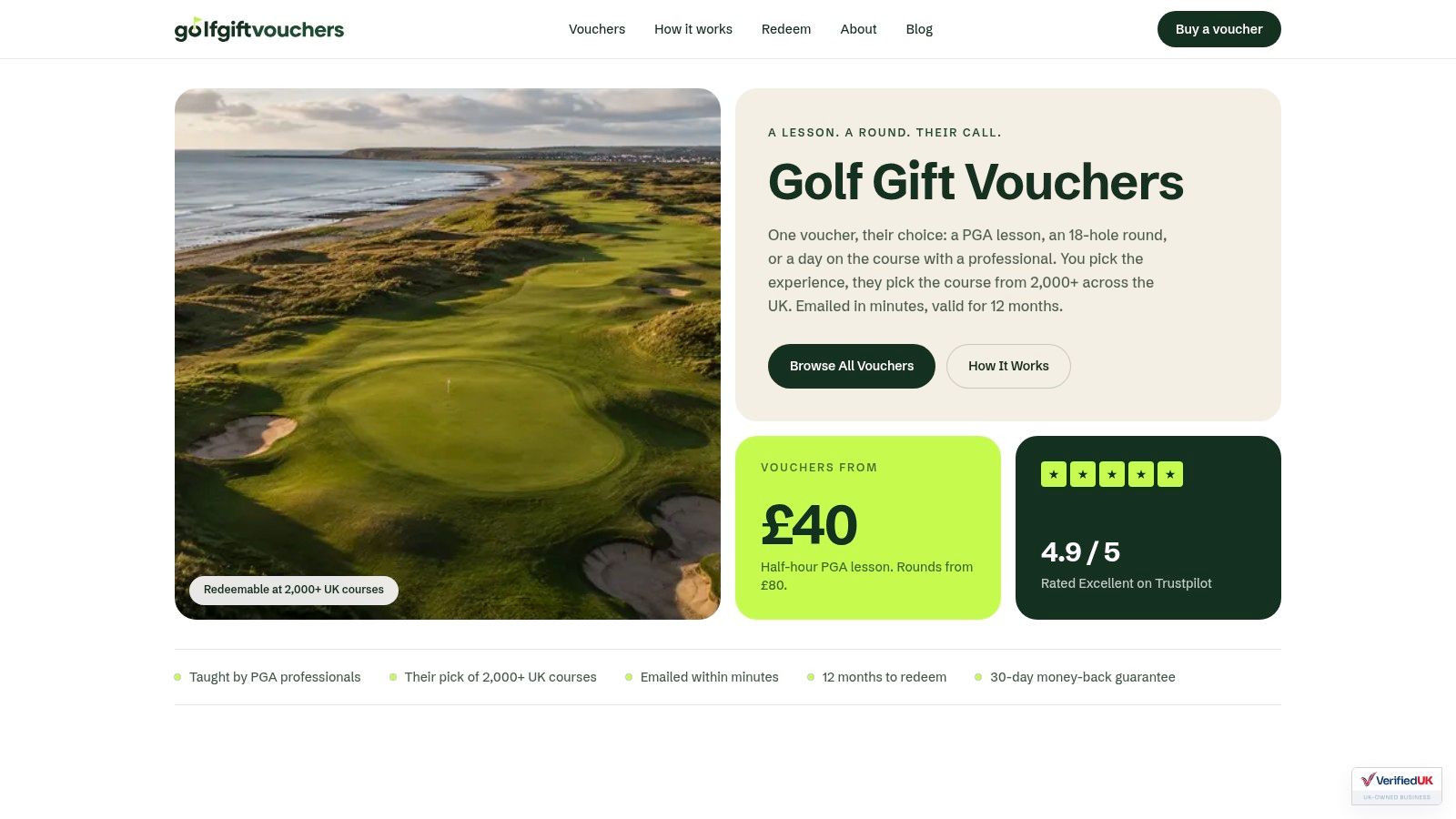
The Golf Gift Vouchers website describes a digital voucher model where the recipient chooses the golf experience and venue at redemption. The publisher states that experiences are provided through Swyng and its network of PGA professionals and partner courses across the United Kingdom.
The recipient should control the final decision
A golf voucher is strongest when it preserves choice without becoming vague. The recipient should know what the voucher can fund, where redemption happens, how long it remains valid, and how the selected course or coach confirms the booking.
That doesn't make the gift impersonal. Add a note explaining why you chose golf, suggest a month when you'd like to see them use it, or offer to join them. The voucher handles the logistics, while your message supplies the sentiment.
For a golfer, flexibility is not a lack of thought. It's proof that you've considered how they actually play.
The best choice for a regular player is usually a flexible, multi-venue option. For a beginner, choose a voucher that includes coaching or lets them select an introductory experience. For a couple or group, prioritise a format that allows the recipient to turn the gift into a shared day.
Final Recommendations for Every Buyer
The practical test is simple: Can the recipient use this easily, at a suitable place and time, without needing to guess what happens next? If the answer is unclear, don't buy the voucher yet.
For a last-minute shopper, choose digital delivery and verify that the email arrives promptly. Add a personal message or card so the speed feels intentional rather than rushed. Don't buy a fixed-date activity unless you've confirmed the recipient's availability.
For a corporate buyer, flexibility matters more than a highly specific activity. Recipients will have different locations, schedules, confidence levels, and interests, so a voucher that lets each person choose is more suitable than a single preselected venue. Ask for clear redemption instructions before ordering in volume.
For a partner, sibling, or parent, choose something you can share or discuss together. Golf works particularly well when the recipient can select between a lesson, round, or pro-led experience, while the buyer can offer to attend or help plan the day. If the recipient is new to golf, the guidance in this guide to golf lesson vouchers can help you choose a more appropriate format.
Use this final decision order:
- Recipient first. Match the experience to genuine interests and confidence.
- Location second. Check that usable venues are realistic.
- Validity third. Allow enough time for planning.
- Booking fourth. Read the redemption process before paying.
- Presentation last. Make a digital gift feel personal with a thoughtful note.
Don't mistake a polished product page for a reliable gift. Choose the option that gives the recipient control, clear instructions, and a realistic route to booking.
Golf Gift Vouchers offers digital golf vouchers that recipients can put towards lessons, rounds, or other golf experiences through Swyng. If you want a flexible gift that avoids course and date guesswork, visit Golf Gift Vouchers and choose an option built around recipient-led redemption.